May we count your visit with Google Analytics? It uses cookies and sends visit data to Google. You can change this any time under Cookie choices. Privacy
The other formats are made in your browser, at the same size; nothing is uploaded. The DXF puts the fold lines on a layer of their own; the PDF prints them black, like the cut lines. Either way, set them to Score before you cut.
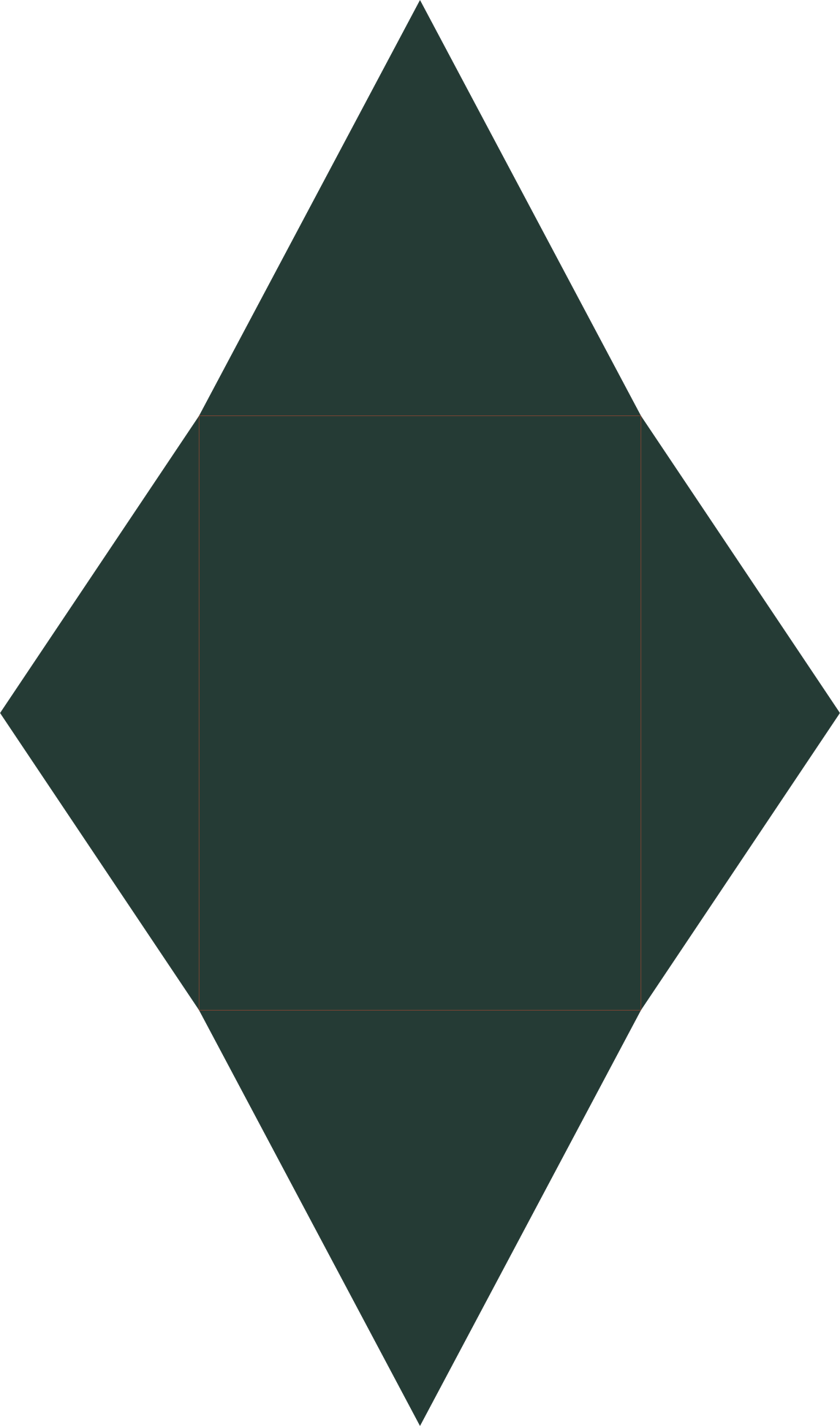
Large greeting envelope, 160 × 215 mm. Fold the side flaps inward, then the bottom flap; join only the overlapping flap edges. The top flap closes last. Sizes are for thin paper; thick card makes the pocket a little smaller inside.
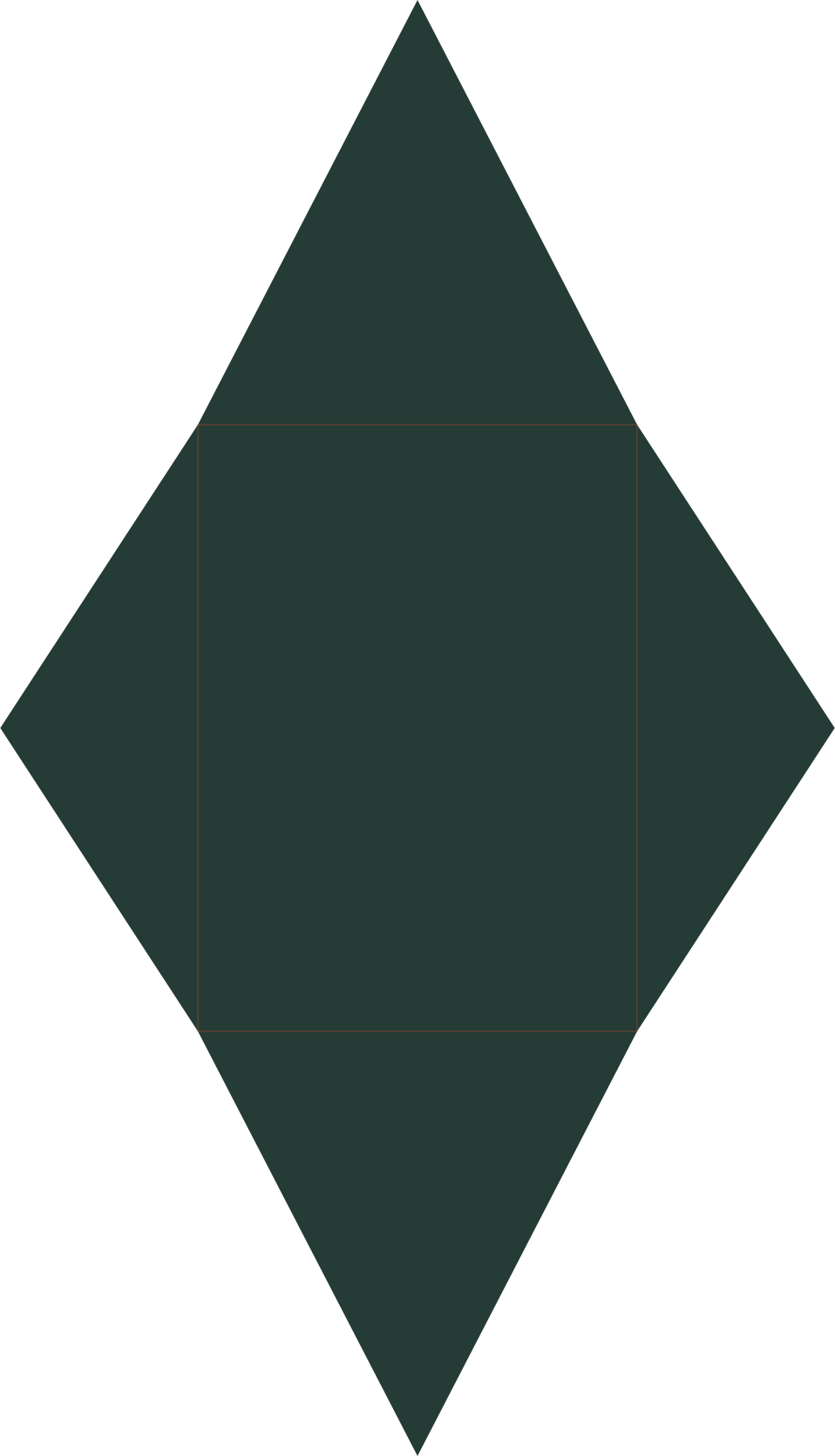
cut outlines; score guides. The preview shows the shapes in the file; the drawing beside the size shows the folded shape. It is not a photo of a finished project.
Fold the side flaps inward, then the bottom flap; join only the overlapping flap edges. The top flap closes last. Sizes are for thin paper; thick card makes the pocket a little smaller inside.
Keep the cut outline and score guide groups separate.
Set the thin rust fold lines to Score; the color alone won’t do it.
Fold the panels at their guides and check the closure before joining the final seam.
Cut out the shape and score the four lines around the 160 × 215 mm (6¼ × 8½ in) middle. Each line runs straight between two corners of the outline, where the flaps meet.
2. Fold in the sides
Fold the two side flaps in over the middle.
3. Glue the bottom flap
Fold the bottom flap up and glue it only where it lies over the side flaps (striped), so the pocket stays open at the top.
4. Close the top
Slide your card in, fold the top flap down and seal it with glue, tape or a sticker. Closed, it is 160 × 215 mm (6¼ × 8½ in).
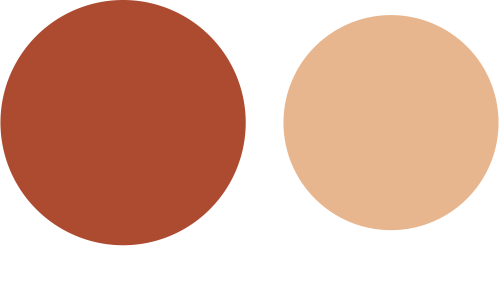
65 × 65 mm window plus a separate 57 × 57 mm inset that sits inside it. The smaller panel sits inside the window, so it needs a backing piece behind it.
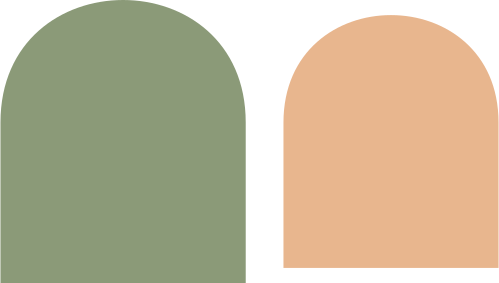
Arch, 132 × 75 mm. 65 × 75 mm window plus a separate 57 × 67 mm inset that sits inside it. The smaller panel sits inside the window, so it needs a backing piece behind it.
 EveryCutFile