May we count your visit with Google Analytics? It uses cookies and sends visit data to Google. You can change this any time under Cookie choices. Privacy
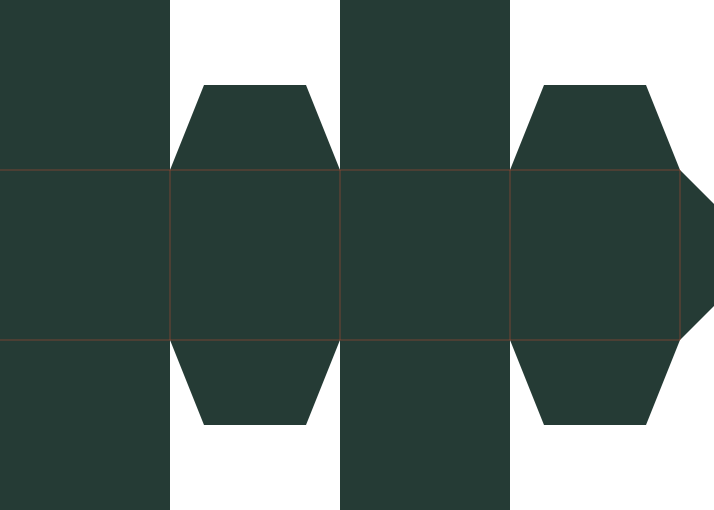
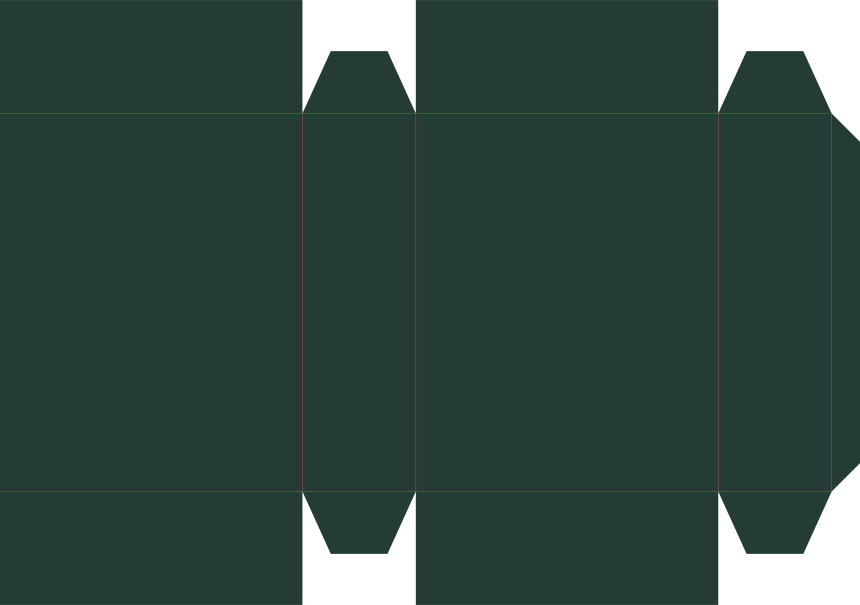
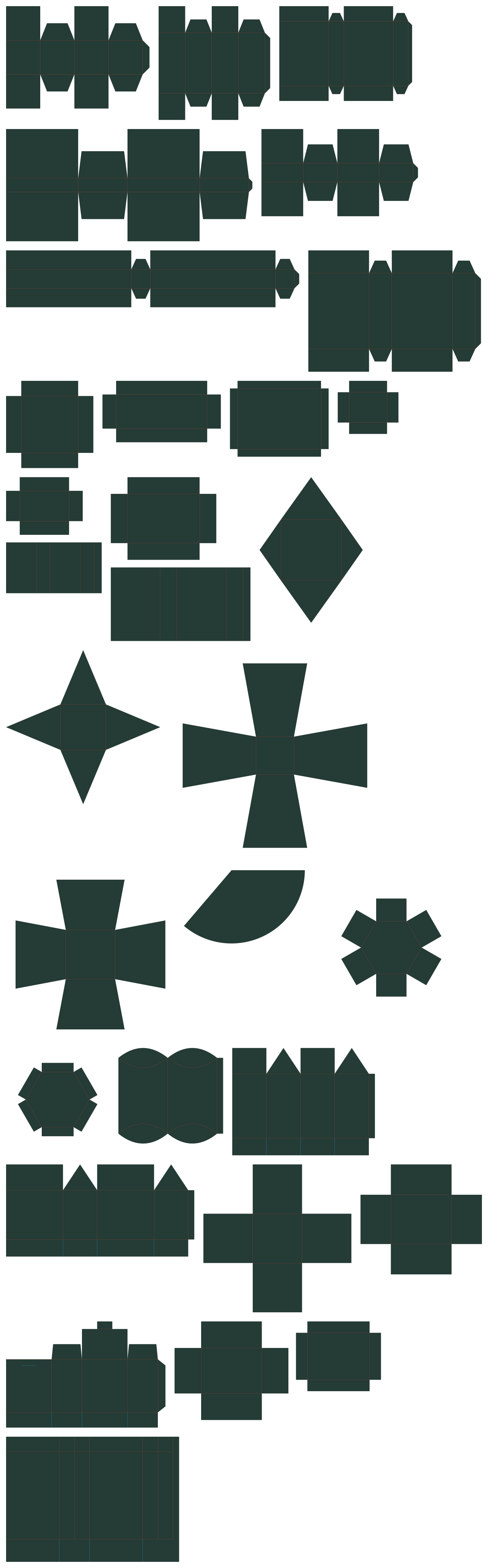
Cube favor glue-flap box, 45 × 45 mm. Four side panels with top and bottom glue flaps. Join the side tab, fold the short dust flaps inward, then glue the two full-depth rectangular flaps together at each end. Each major flap covers the opening exactly. Sizes are for thin card; thick card makes it a little smaller inside. The ends glue shut; they don’t tuck in.
Tall favor glue-flap box, 35 × 80 mm. Four side panels with top and bottom glue flaps. Join the side tab, fold the short dust flaps inward, then glue the two full-depth rectangular flaps together at each end. Each major flap covers the opening exactly. Sizes are for thin card; thick card makes it a little smaller inside. The ends glue shut; they don’t tuck in.
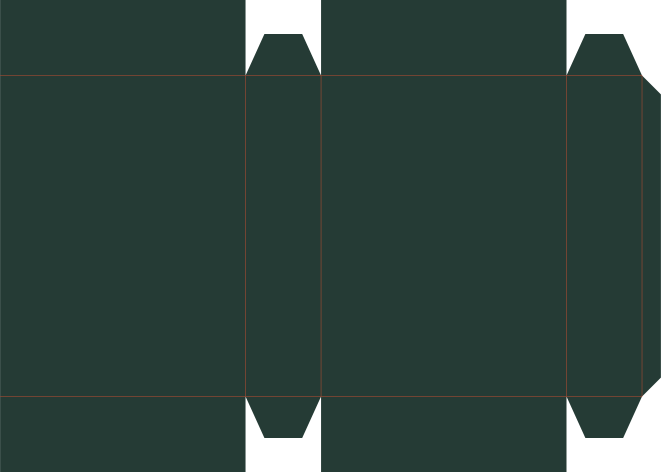
Tea sachet glue-flap box, 65 × 85 mm. Four side panels with top and bottom glue flaps. Join the side tab, fold the short dust flaps inward, then glue the two full-depth rectangular flaps together at each end. Each major flap covers the opening exactly. Sizes are for thin card; thick card makes it a little smaller inside. The ends glue shut; they don’t tuck in.
Gift card glue-flap box, 95 × 18 mm. Four side panels with top and bottom glue flaps. Join the side tab, fold the short dust flaps inward, then glue the two full-depth rectangular flaps together at each end. Each major flap covers the opening exactly. Sizes are for thin card; thick card makes it a little smaller inside. The ends glue shut; they don’t tuck in.
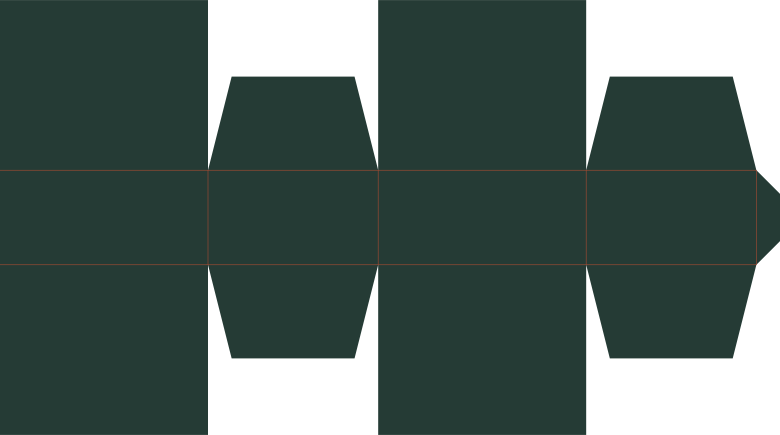
Small jewelry glue-flap box, 55 × 25 mm. Four side panels with top and bottom glue flaps. Join the side tab, fold the short dust flaps inward, then glue the two full-depth rectangular flaps together at each end. Each major flap covers the opening exactly. Sizes are for thin card; thick card makes it a little smaller inside. The ends glue shut; they don’t tuck in.
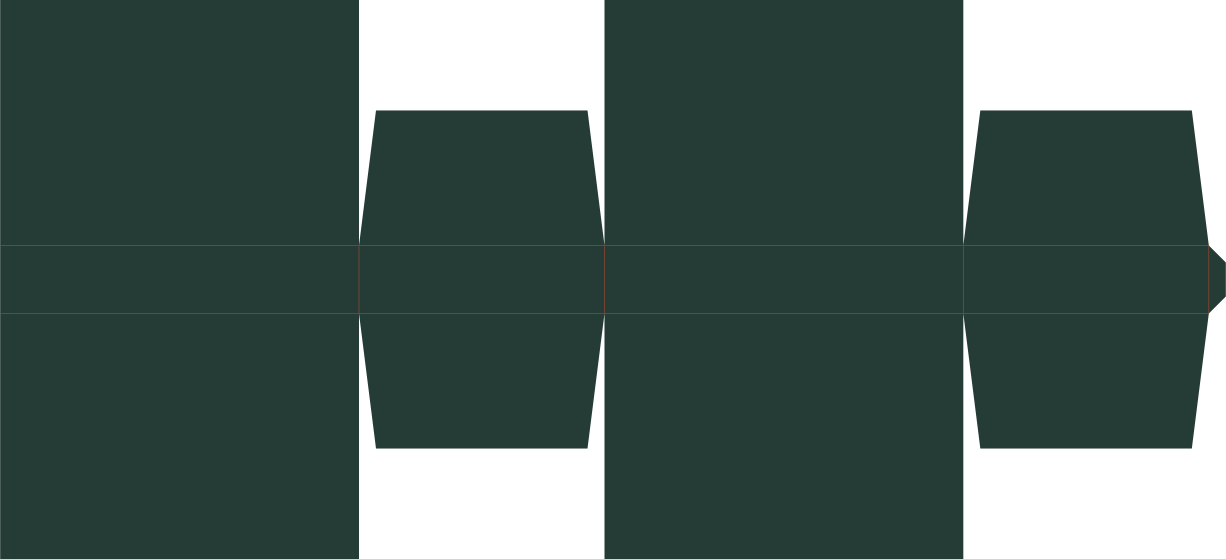
Long stationery glue-flap box, 165 × 25 mm. Four side panels with top and bottom glue flaps. Join the side tab, fold the short dust flaps inward, then glue the two full-depth rectangular flaps together at each end. Each major flap covers the opening exactly. Sizes are for thin card; thick card makes it a little smaller inside. The ends glue shut; they don’t tuck in.
Square open tray, 75 × 75 mm. An open tray net without integral glue tabs. Fold the walls up and join the corner seams with your chosen backing strips. The template does not include seam allowance.
Long open tray, 120 × 45 mm. An open tray net without integral glue tabs. Fold the walls up and join the corner seams with your chosen backing strips. The template does not include seam allowance.
Shallow card open tray, 110 × 80 mm. An open tray net without integral glue tabs. Fold the walls up and join the corner seams with your chosen backing strips. The template does not include seam allowance.
Small favor open tray, 50 × 40 mm. An open tray net without integral glue tabs. Fold the walls up and join the corner seams with your chosen backing strips. The template does not include seam allowance.
Matchbox tray and sleeve, 65 × 40 mm. An open tray and a separate wrapping sleeve. The sleeve is 1 mm bigger than the tray on each side, with a 10 mm overlap. Adjust it for your material and joins.
Drawer tray and sleeve, 95 × 65 mm. An open tray and a separate wrapping sleeve. The sleeve is 1 mm bigger than the tray on each side, with a 10 mm overlap. Adjust it for your material and joins.
Square gift envelope box, 80 × 80 mm. Fold the side flaps inward, then the bottom flap; the flaps meet edge to edge without overlapping, so tape the seams. The top flap closes last. Sizes are for thin paper; thick card makes the pocket a little smaller inside.
Fold the four triangles up around the square base. Their side edges meet at the apex. Join adjoining edges with backing strips; glue tabs are not included.
An open square tapered container, 50 mm at the base and 85 mm at the rim, with 95 mm tall. Fold the four sides up and join their edges with backing strips; this net has no integral glue tabs.
An open square tapered container, 65 mm at the base and 90 mm at the rim, with 65 mm tall. Fold the four sides up and join their edges with backing strips; this net has no integral glue tabs.
Treat cone, 70 × 90 mm. Bring the two straight edges together to form the cone. Use a separate backing strip at the seam; this exact sector includes no overlap. The rim remains open.
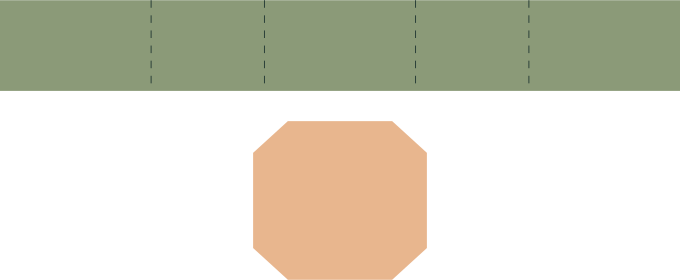
Hexagonal box base, 80 × 69 mm. Fold six rectangular walls around the hexagonal base. Join the corners with separate backing strips. For a lid, allow clearance for your measured material thickness; no universal clearance is assumed.
Hexagonal lid blank, 84 × 73 mm. Fold six rectangular walls around the hexagonal base. Join the corners with separate backing strips. For a lid, allow clearance for your measured material thickness; no universal clearance is assumed.
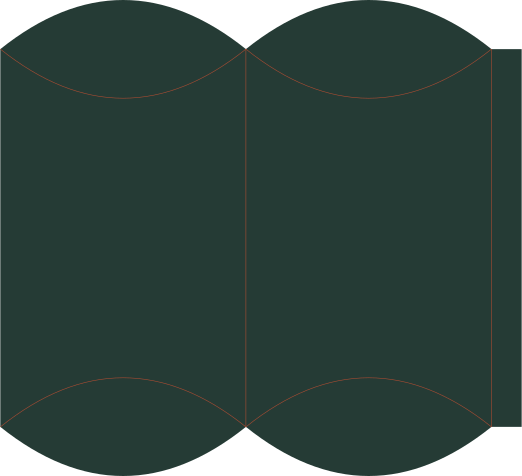
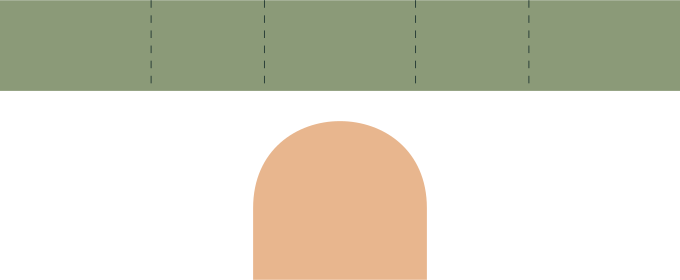
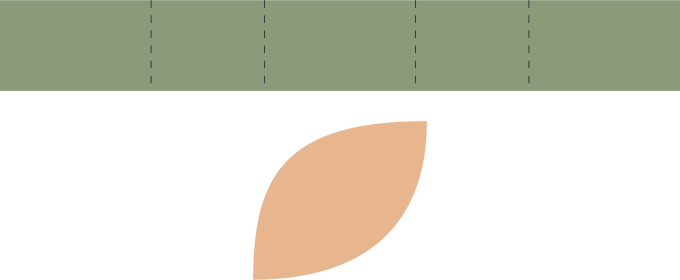
Curve the two broad faces into a sleeve, join the narrow side tab and fold the curved end flaps inward. Flat face width is 65 mm and central length is 100 mm; the formed thickness and usable finished length depend on the bend.
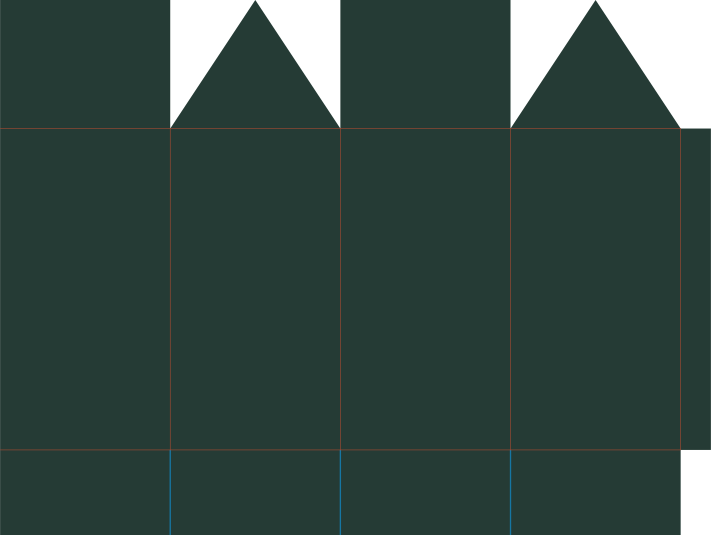
Milk carton gift box, 45 × 45 mm. Fold four body panels into a tube and join the side tab. Close the short bottom flaps with a separate backing square. Bring the two broad top flaps together over the triangular ends; glue or clip the roof seam. No handle or locking catch is supplied.
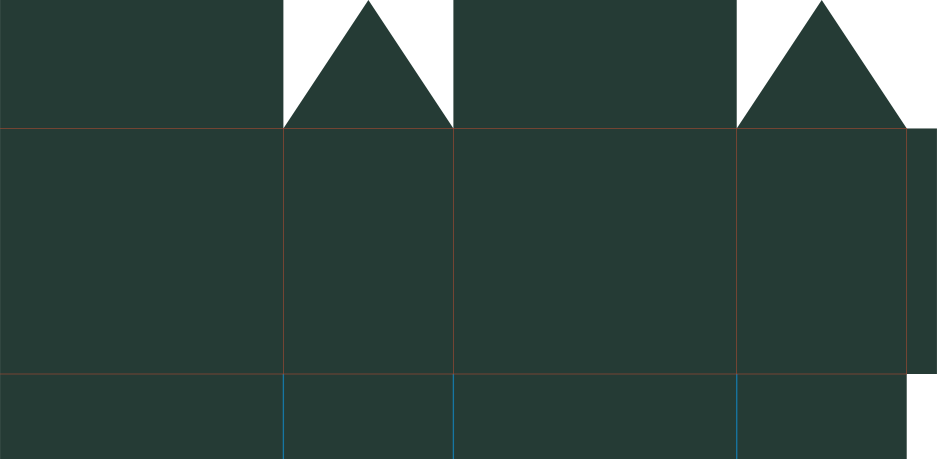
Gable gift carton, 75 × 45 mm. Fold four body panels into a tube and join the side tab. Close the short bottom flaps with a separate backing square. Bring the two broad top flaps together over the triangular ends; glue or clip the roof seam. No handle or locking catch is supplied.
Explosion box base, 65 × 65 mm. An open tray net without integral glue tabs. Fold the walls up and join the corner seams with your chosen backing strips. The template does not include seam allowance.
Easter basket base, 80 × 65 mm. An open tray net without integral glue tabs. Fold the walls up and join the corner seams with your chosen backing strips. The template does not include seam allowance.
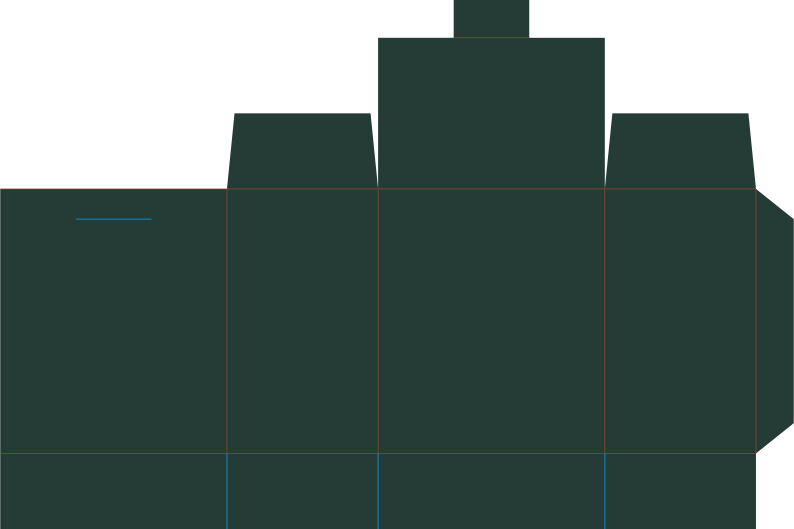
Four body panels form a 60 × 40 × 70 mm box. The back lid crosses the 40 mm depth; its 20 mm tongue enters the front slit. Fold the lid tongue, join the side seam and glue the bottom flaps. For thick card, cut the slit a little wider than the tongue.
 EveryCutFile